
Left Behind
When the beauty keeps blooming

It’s spring here at Deep Woods Refuge and I’m discovering something new with every sunrise and every perusal of the yard.
We moved here in fall and winter, so I didn’t have any idea the beauty buried here. The trees had been bare. The ground had been hard. And the colors... well, they’d been brown and dull and nothing-to-write-home-about for months.
But with the warming weather came surprises that had me out there in my pajamas before coffee, just exclaiming, “Oh WOW.”
Purple things. Yellow things. Clusters of I-don’t-know-what-those-are-but-wow blooming along the fence line. Whole sections of the yard waking up with color I had no idea was coming.
And the flowers coming to life on my property right now were planted by someone else. A woman I’ve never met. She probably moved and hoped I’d enjoy what she left behind. What she worked to plant. But she’s long gone from this land, this chapter, this address, and she has no idea that on a Tuesday in May, someone is sitting in the aftermath of her tending and just... breathing it in.
But I bet she hoped.
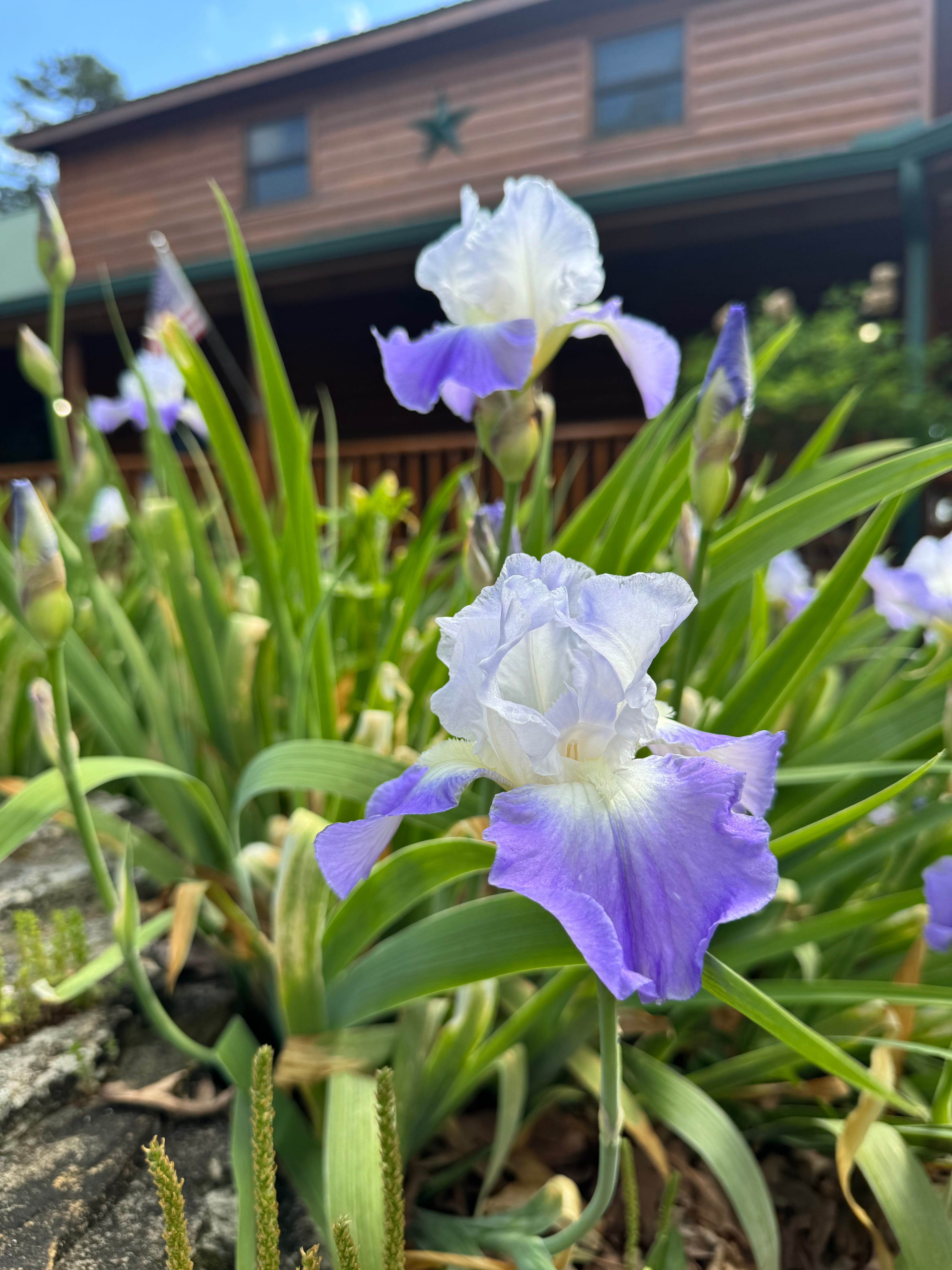
When it comes to flowers, there are of course annuals, which bloom fast and die back completely at the end of the season. And then there are perennials. Bulbs. Plants that store everything they need for next year underground, in the dark, during the cold.
And many of these bulbs actually require the cold to bloom. Horticulturalists call it vernalization. The plant needs a sustained period of low temperatures to complete its internal development. Without the cold, it won’t flower. The winter isn’t an obstacle to the bloom. The winter is what makes the bloom possible.
So when someone digs in the Tennessee soil and drops bulbs into the ground before a frost, they’re doing something that requires real faith. She can’t see what she’s planting. She is putting something into the dark ground and trusting a process she can’t control, on a timetable she can’t rush, for a bloom she might not be around to witness. God shows us so much of his character in all he has made.
And I think about the underground part, too. Because while everything above the surface of my yard was looking bleak and brown and lifeless all winter, something was happening beneath it. You’ve heard me say or seen me write umpteen times that scientists have discovered millions of microorganisms are doing their most essential work in the coldest months. While nothing looks alive, there’s an entire ecosystem underground working overtime, breaking down matter, creating nutrients, preparing the foundation for what’s coming. The winter isn’t wasted. It’s purposeful preparation.
Nothing is wasted in the economy of God.
Not even the cold. Not even the dark. Not even the season that looked like nothing was happening.
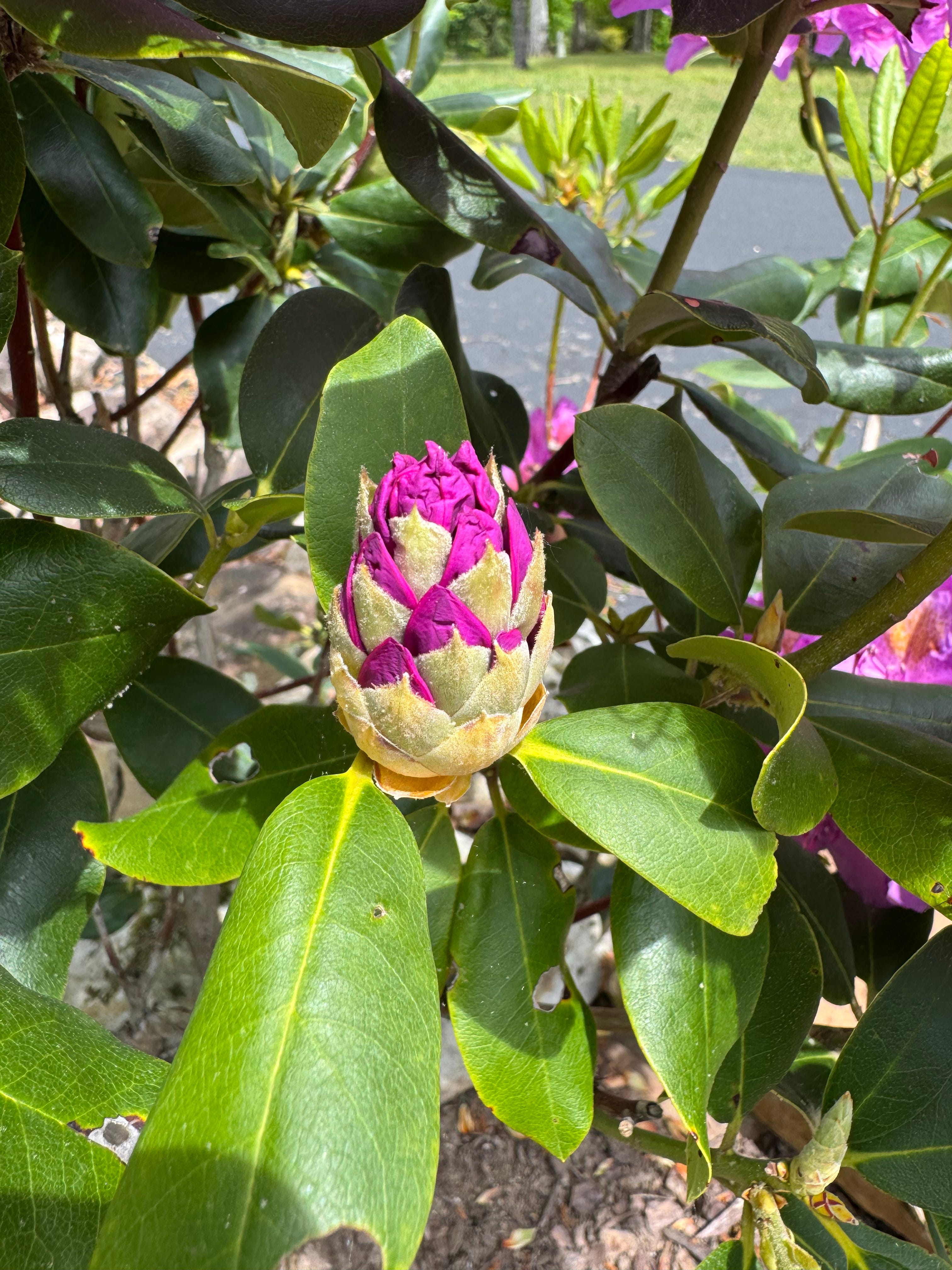
The enemy of your soul would have you believe that when you leave somewhere, you take everything with you. That the work you did, the love you poured out, the beauty you cultivated all just evaporates when you walk out.
This is one of his favorite lies.
And it’s a particularly cruel one because he tends to deploy it in the moments when you’re already tender. You’ve just walked away from something that mattered deeply. A friendship that drifted. A church you loved. A role that ended, a season that closed, a chapter you didn’t get to write the final paragraph of. And into your confusion and your grief, the enemy arrives with his “Did God really say...?” brand of deception.
He’s been asking that question since the Garden. His methods aren’t even original.
What he’s really asking is: Did any of that matter? Are you sure you didn’t just waste your life on something that evaporated the minute you left? What was all this even for?
And here’s why it stings so badly. The sadness is real. There is always a grief commensurate with the love. So he takes the realness of your grief and tries to convince you it’s evidence that you were wrong. That your presence didn’t leave a mark. That the work is gone.
It isn’t.
You just can’t see it yet.
I planted, Apollos watered, but God gave the growth. 1 Corinthians 3:6
Paul is writing to a church in Corinth that is arguing about who gets the credit. Some people are Team Paul. Some are Team Apollos. And Paul takes a step back from the whole contest and describes how God’s work actually functions.
Three people. Three roles. None of them are in charge of the outcome.
The Greek word Paul uses for “gave the growth” is auxanō. It means to grow, to increase, to become greater. And the verb form he uses here is imperfect. Past tense, but ongoing. Not a moment. A movement. God was giving growth, continues to give growth, has been giving growth. It isn’t punctuated by who planted or who watered. It runs on God’s timetable.
The sower rarely gets to witness the full harvest.
And in God’s economy, that’s not a tragedy. That’s the design.
Paul planted. He moved on. Apollos watered. He moved on. Neither of them stood over the field monitoring the yield. Neither of them got to see the full fruit of what they gave themselves to in Corinth. But the growth happened anyway. God saw to it.
You plant. You water. You love and serve and give and speak truth and show up and pour out. And then, often, you move. Because seasons end. Assignments change. Calling remains, but the particular form it takes in one place is not meant to last forever.
And when you leave... the growth doesn’t pack up and follow you out.
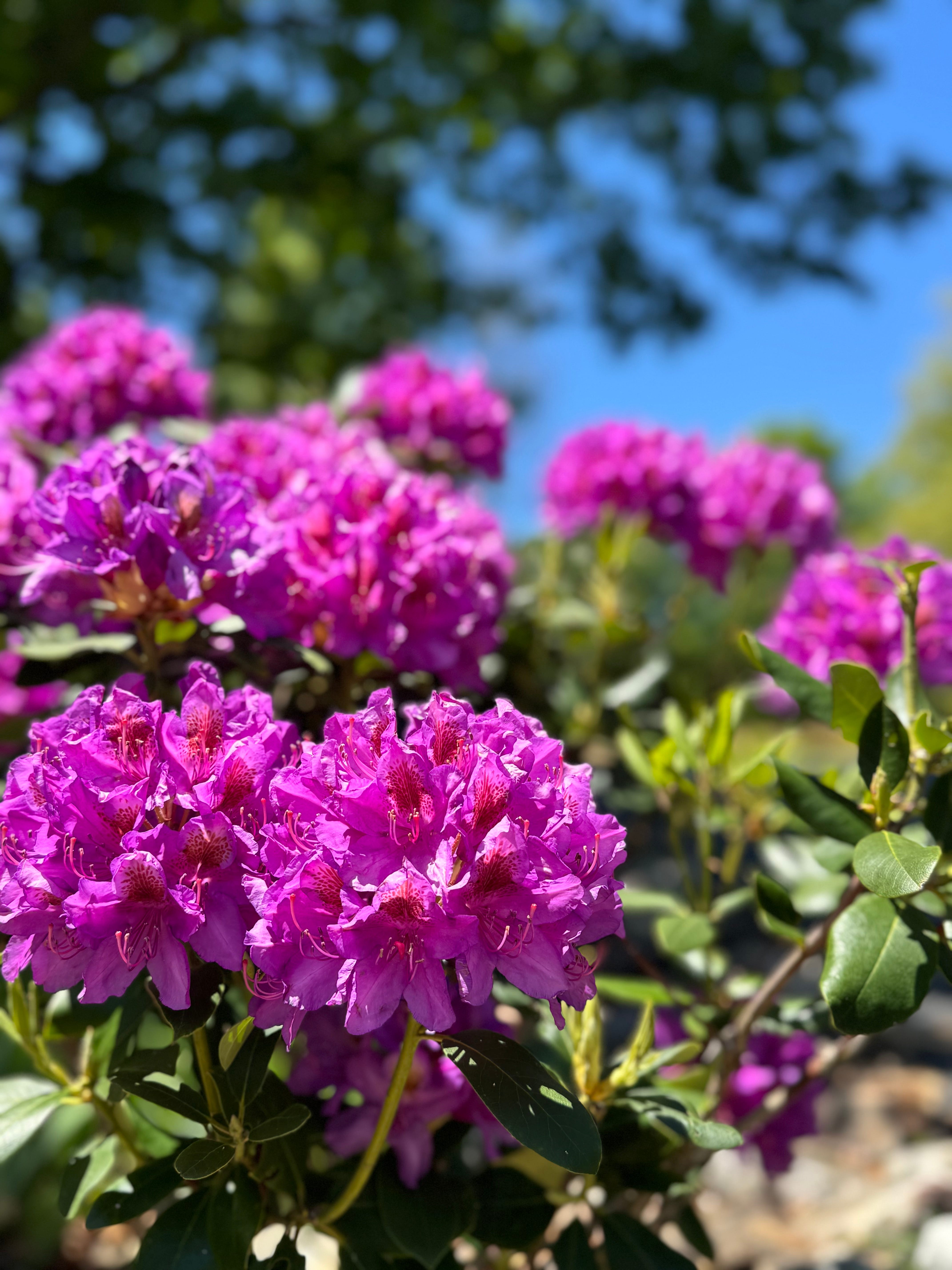
You have been a seed-planter everywhere you’ve ever been.
In that friendship that drifted. In that job you gave your best years to. In that church. In that calling. Or in that season that ended too strangely, or too quietly for anyone to notice.
Someone is standing in your aftermath right now. Maybe they know your name. Probably they don’t. But the beauty you left is real. The conversation you had that you forgot about three days later is still living in someone’s chest. The consistency you showed up with, the care you offered, the truth you spoke when it was hard… it’s still growing. Still blooming. On a timetable you have no access to.
And God sees every bit of it.
Let us not grow weary in doing good, for at the proper time we will reap a harvest if we do not give up. Galatians 6:9
The word for “proper time” there is kairos. Not chronos, which is clock time, sequential time, the kind we manage and monitor and feel like we’re losing. Kairos is different. It’s appointed time. Sovereign time. The moment God has specifically ordained for something to come to fullness.
Not your time. Not necessarily while you’re still around to see it. But God’s time.
So if the enemy is whispering that it was all for naught... that you’ll leave without a trace... that nothing you did left a mark...
Let the flowers prove him wrong.
Dormancy is not death. The cold doesn’t cancel the bloom. The underground work is the most essential work. And the fact that you’ve moved on from a place does not mean nothing is still growing there.
We operate on God’s sovereign clock.
He makes everything beautiful in its time. Ecclesiastes 3:11
Including whatever you planted before you ever knew you were leaving.
The beauty keeps blooming.
Some things to ponder:
Where have you planted something you never got to see bloom? A friendship, a role, a season of faithfulness that ended before the harvest came?
Is there a lie the enemy is telling you right now about whether your work mattered? What would it look like to let the flowers argue back?
Shannon, I always appreciate your insights and way with words. Such good pictures and reminders. I needed it today.
I needed this. I’ve been “underground” for decades and just recently started to work through the dirt and debris. My therapist never gives me homework but she chose Kerygma to do so. To be vulnerable and honest with someone I trust. I thought, “Sure! I hardly see anyone I know for more than five minutes.” Those were my famous last words. Thank you for putting into words what I’ve been trying to avoid, ignore, and run away from.